Table of Contents
Was ist Perillasamenöl?
Perillasamenöl, das aus den Samen von Perilla frutescens (umgangssprachlich auch wilder Sesam oder Beefsteak-Pflanze genannt) gewonnen wird, ist ein nährstoffreiches Öl, das für seinen hohen Gehalt an omega-3 fatty acids und seine vielseitigen Anwendungsmöglichkeiten geschätzt wird. Aus landwirtschaftlichem Anbau stammend und kaltgepresst, um seine natürlichen Antioxidantien zu erhalten, ist dieses Öl eine Kraftquelle für Herzgesundheit, Hautpflege und funktionelle Lebensmittelformulierungen.
Wichtigste Highlights
- Omega-3-Reichhaltig: Enthält 60-65% alpha-linolenic acid (ALA), eine pflanzliche omega-3 fatty acid, die für Herz-Kreislauf- und kognitive Gesundheit entscheidend ist.
- Antioxidative Kraft: Reich an rosmarinic acid und flavonoids, die oxidativem Stress und Entzündungen entgegenwirken.
- Doppelte Verwendung: Geeignet für kulinarische Anwendungen (Dressings, Dips) und äußerliche Hautpflege (Feuchtigkeitscremes, Seren).
- Rein & Nachhaltig: rein, non-GMO und veganfreundlich.
Spezifikationen
| Parameter | Details |
|---|---|
| Quelle | Samen von Perilla frutescens |
| Extraktionsmethode | Kaltgepresst, unraffiniert |
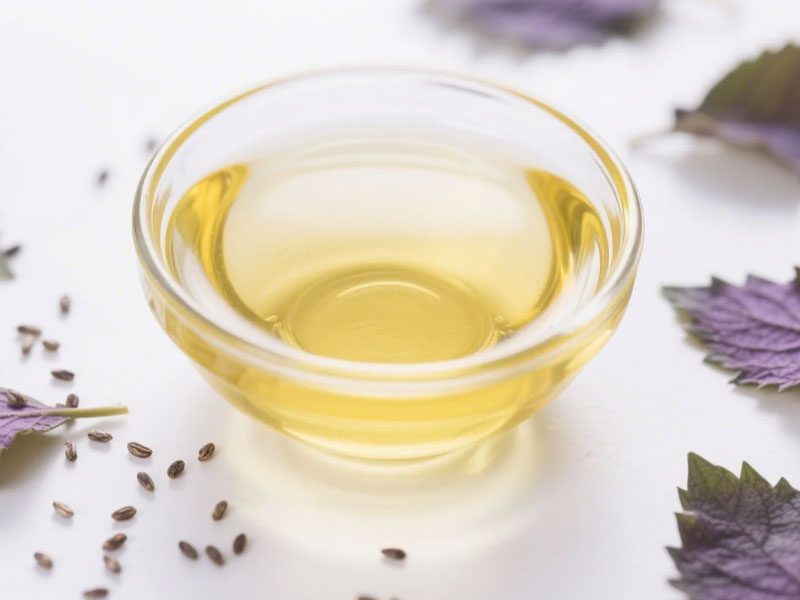
| Farbe & Geruch | Goldgelb, milder nussiger Duft |
| Freie Fettsäuren | ≤0.5% (niedrige Säure für Stabilität) |
| Peroxidwert | ≤5 meq/kg (Frische garantiert) |
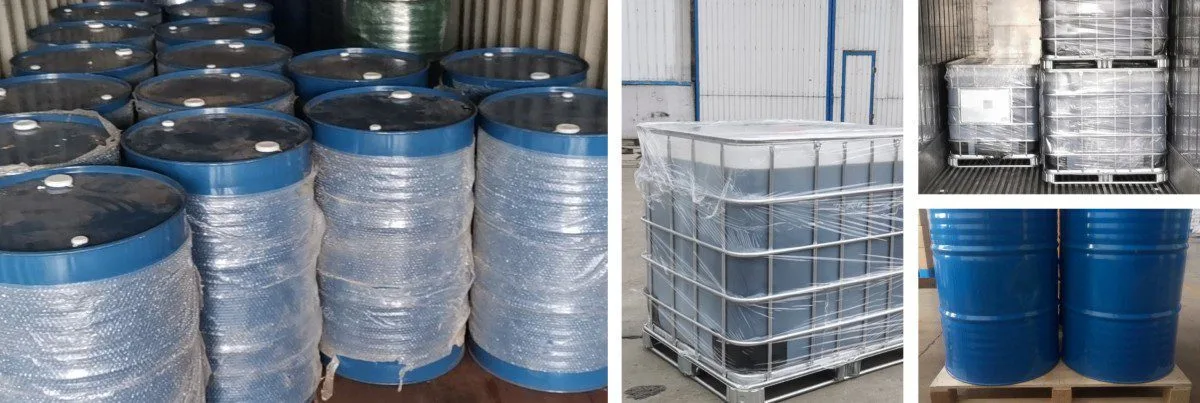
| Verpackung | Glasflaschen (50ml–1L), Fässer im Großgebinde |
| Haltbarkeit | 18 Monate (an einem kühlen, dunklen Ort lagern) |
Wichtige Merkmale & Vorteile
- Herz- & Gehirngesundheit:
- Der hohe ALA-Gehalt unterstützt gesunde Cholesterinwerte und die kognitive Funktion.
- Haut- & Haarpflege:
- Leichte, nicht fettende Textur spendet tief Feuchtigkeit und beruhigt gereizte Haut.
- Wird in Anti-Aging-Formulierungen wegen seiner kollagenfördernden Eigenschaften verwendet.
- Kulinarische Vielseitigkeit:
- Verleiht Salaten, Dips und asieninspirierten Gerichten einen nussigen Geschmack.
- Ideal als Fertigöl (hohe Hitze beim Kochen vermeiden, um Nährstoffe zu erhalten).
Anwendungen
- Nahrungsergänzungsmittel: Weichkapseln oder flüssige omega-3-Mischungen.
- Funktionelle Lebensmittel: Zu Dressings, Aufstrichen oder pflanzlichen Milchalternativen hinzugefügt.
- Naturkosmetik: Basisöl für Seren, Cremes und Haarkuren.
- Traditionelle Medizin: In ostasiatischen Kräuterpraxen zur Immununterstützung verwendet.
Zertifizierungen & Qualitätssicherung
- Non-GMO: Vom Non-GMO Project verifiziert.
- Reinheit: Frei von Lösungsmitteln, Hexan und synthetischen Zusatzstoffen.
- Allergenfrei: Kein Gluten, Soja, Milchprodukte oder Nüsse.
Warum wir?
- Premium-Qualität: Aus landwirtschaftlichem Anbau in Korea und China, wo Perilla traditionell kultiviert wird.
- Rückverfolgbarkeit: Volle Lieferkettentransparenz von der Saat bis zur Flasche.
- Individuelle Lösungen: Erhältlich im Großgebinde, als Private-Label oder gemischt mit anderen funktionellen Ölen (z. B. Hanf, schwarzer Kreuzkümmel).
Häufige Fragen
Perillasamenöl sticht unter den pflanzlichen Ölen durch seinen außergewöhnlich hohen Gehalt an alpha-linolenic acid (ALA) hervor. Mit 60-65% ALA übertrifft Perillaöl Leinöl (das typischerweise 50-55% ALA enthält) bei der omega-3-Konzentration und ist damit eine der reichhaltigsten pflanzlichen Quellen für omega-3 fatty acids. Im Vergleich liefert Fischöl eicosapentaenoic acid (EPA) und docosahexaenoic acid (DHA) direkt statt ALA — der Körper muss ALA mit einer Umwandlungsrate von etwa 5-15% in EPA/DHA umwandeln. Für Personen mit pflanzlicher Ernährung bietet Perillaöl eine überlegene veganfreundliche Alternative zu Fischöl. Im Gegensatz zu Leinöl, das einen ausgeprägt bitteren oder nussigen Geschmack haben kann, der kulinarische Anwendungen einschränkt, hat Perillaöl ein mildes, angenehmes Geschmacksprofil, das sich nahtlos in Dressings, Dips und Zugüsse einfügt. Hanfsamenöl, eine weitere beliebte pflanzliche omega-3-Quelle, enthält nur 15-20% ALA — deutlich weniger als Perillaöl.
| Ölsorte | ALA-Gehalt | EPA/DHA | Geschmacksprofil | Beste Verwendung |
|---|---|---|---|---|
| Perillasamenöl | 60-65% | Nein (umgewandelt) | Mild, nussig | Dressings, Dips, Nahrungsergänzung |
| Leinöl | 50-55% | Nein (umgewandelt) | Bitter, nussig | Nahrungsergänzung, Smoothies |
| Fischöl | 0% | Ja (direkt) | Fischig | Nahrungsergänzung, Kapseln |
| Hanfsamenöl | 15-20% | Nein | Erdig, nussig | Dressings, Hautpflege |
| Chiasamenöl | 55-60% | Nein (umgewandelt) | Neutral | Nahrungsergänzung, Smoothies |
Kulinarische Verwendung & Anwendungen
Perillasamenöl ist eine vielseitige kulinarische Zutat, die insbesondere in der koreanischen, japanischen und chinesischen Küche geschätzt wird. Sein milder nussiger Geschmack verfeinert Salatdressings, Marinaden und Dip-Saucen, ohne andere Zutaten zu überlagern. Im Gegensatz zu vielen Speiseölen wird Perillaöl am besten als Fertigöl verwendet — den Speisen nach dem Kochen hinzugefügt, um seine empfindlichen omega-3 fatty acids und Antioxidantien zu erhalten. Es eignet sich hervorragend als Zuguss über gedünstetem Gemüse, gegrilltem Fisch oder Bowl-Gerichten mit Getreide und lässt sich mit Reisessig, Sojasauce und Sesam zu Vinaigretten aufschlagen. In der koreanischen Küche wird Perillaöl traditionell in Namul (gewürzte Gemüsegerichte) verwendet und als Beilage zu Bibimbap gereicht. Das Öl wird auch in der westlichen pflanzlichen Küche zunehmend beliebter, wo es Hummus, Pesto und kalten Saucen Tiefe verleiht. Für Supplement-Hersteller ist Perillaöl in Weichkapseln erhältlich, die das Öl vor Oxidation schützen und dabei eine bequeme tägliche omega-3-Dosis bieten. Wichtig: Perillaöl sollte nicht zum Frittieren oder Kochen bei hoher Hitze (über 180°C / 350°F) verwendet werden, da Hitze den ALA-Gehalt abbaut und schädliche Verbindungen erzeugt.
Hautvorteile & kosmetische Anwendungen
Perillasamenöl wird in der Naturkosmetik zunehmend für seine außergewöhnlichen hautpflegenden Eigenschaften anerkannt. Sein hoher Gehalt an linoleic acid (ca. 15-20%) hilft, die Lipidbarriere der Haut zu erhalten, verhindert den transepidermalen Wasserverlust und hält die Haut hydratisiert und geschmeidig. Der Gehalt des Öls an rosmarinic acid und flavonoids bietet einen starken antioxidativen Schutz gegen Umwelteinflüsse, UV-Schäden und vorzeitige Alterung. Klinische Studien haben gezeigt, dass die äußerliche Anwendung von Perillaöl Entzündungsmarker bei Erkrankungen wie atopischer Dermatitis, Ekzemen und Acne vulgaris verringern kann. Die leichte, nicht komedogene Textur des Öls macht es für alle Hauttypen geeignet, einschließlich fettiger und zu Akne neigender Haut. Es zieht schnell ein, ohne fettigen Film zu hinterlassen, und ist damit ein ideales Trägeröl für Serumformulierungen, Gesichtsöle und Feuchtigkeitscremes. In Anti-Aging-Produkten hilft das antioxidative Profil des Perillaöls — einschließlich Luteolin, Apigenin und rosmarinic acid —, freie Radikale zu neutralisieren, die zur Faltenbildung und zum Elastizitätsverlust der Haut beitragen. Für die Haarpflege kann Perillaöl als Kopfhautkur zur Reduzierung von Entzündungen und Förderung gesunden Haarwuchses verwendet werden oder sparsam auf trockene Spitzen als leichtes Fertigöl aufgetragen werden.
Lagerempfehlungen
Aufgrund seines hohen Gehalts an mehrfach ungesättigten Fetten erfordert Perillasamenöl eine sorgfältige Lagerung, um Frische zu erhalten und Oxidation zu verhindern. Das Öl sollte an einem kühlen, dunklen Ort bei Temperaturen zwischen 10-20°C (50-68°F) gelagert werden. Nach dem Öffnen wird eine Kühlung zur Verlängerung der Haltbarkeit empfohlen — das Öl kann im Kühlschrank leicht trüb werden oder leicht fest werden, kehrt aber bei Raumtemperatur in flüssige Form zurück. Bewahren Sie die Flasche immer fest verschlossen auf, wenn sie nicht verwendet wird, da Sauerstoffeinwirkung die Ranzigkeit beschleunigt. Dunkle Glasflaschen sind klaren Kunststoffbehältern vorzuziehen, da Lichteinfall die omega-3 fatty acids und Antioxidantien abbaut. Bei ordnungsgemäßer Lagerung behält ungeöffnetes Perillaöl seine Qualität bis zu 18 Monate ab Produktionsdatum. Nach dem Öffnen empfehlen wir den Verbrauch innerhalb von 3-4 Monaten für optimale Frische und Wirksamkeit. Anzeichen für Oxidation sind ein stechender oder ranziger Geruch, eine dunklere Färbung oder ein bitterer Geschmack. Für gewerbliche Großabnehmer verlängern stickstoffgespülte Fässer die Haltbarkeit erheblich und werden für die Langzeitlagerung empfohlen.
Häufige Fragen
Q: Wie schneidet Perillasamenöl im Vergleich zu Fischöl bei Omega-3 ab?
A: Perillasamenöl liefert ALA (alpha-linolenic acid), ein pflanzliches Omega-3, das der Körper teilweise in EPA und DHA umwandelt (mit einer Umwandlungsrate von etwa 5-15%). Fischöl liefert EPA und DHA direkt. Für Personen mit pflanzlicher oder veganer Ernährung ist Perillaöl eine hervorragende Alternative. Für alle, die eine direkte DHA-Supplementierung suchen (wichtig während der Schwangerschaft oder für die kognitive Gesundheit), kann Fischöl oder algenbasiertes DHA vorzuziehen sein. Viele Formulierer kombinieren Perillaöl mit algengewonnenem DHA für eine vollständige pflanzliche Omega-3-Lösung.
Q: Wie hoch ist die empfohlene tägliche Dosierung von Perillasamenöl?
A: Für die allgemeine Gesundheitsvorsorge liegt die empfohlene tägliche Aufnahme bei 1-2 Esslöffeln (15-30 ml) Perillasamenöl, was etwa 7-14 Gramm ALA liefert. Dies entspricht den Adequate-Intake (AI)-Empfehlungen für omega-3 fatty acids. Für therapeutische Anwendungen gegen Entzündungen oder Herz-Kreislauf-Gesundheit können höhere Dosen von bis zu 3 Esslöffeln (45 ml) täglich unter fachkundiger Anleitung verwendet werden. Bei Verwendung von Perillaöl-Weichkapseln folgen Sie den Dosierungsempfehlungen des Herstellers, typischerweise 2-3 Weichkapseln pro Tag. Wie bei jedem Nahrungsergänzungsmittel empfehlen wir, vor Beginn einer neuen Kur einen Arzt oder Heilpraktiker zu konsultieren.
Q: Kann Perillasamenöl bei Hauterkrankungen wie Ekzemen helfen?
A: Ja, Perillasamenöl hat vielversprechende Ergebnisse bei entzündlichen Hauterkrankungen gezeigt. Sein hoher Gehalt an rosmarinic acid bietet entzündungshemmende und antiallergische Wirkungen, die bei Ekzemen, atopischer Dermatitis und Schuppenflechte helfen können. Die Linolsäure des Öls unterstützt die Reparatur der Hautbarriere, verringert den transepidermalen Wasserverlust und verbessert die Hautfeuchtigkeit. Sowohl orale Supplementierung als auch äußerliche Anwendung wurden untersucht, wobei die äußerliche Anwendung besonders bei lokalisierter Entzündung Vorteile zeigt. Bei äußerlicher Anwendung von Perillaöl empfehlen wir zunächst einen Patch-Test und die Verdünnung mit einem Trägeröl bei sehr empfindlicher Haut. Für beste Ergebnisse sollten Sie nach kaltgepresstem, unraffiniertem Perillaöl ohne Zusatzstoffe suchen.
Q: Ist Perillasamenöl keto-freundlich und paleo-zertifiziert?
A: Absolut. Perillasamenöl ist von Natur aus kohlenhydratarm und damit mit ketogener, Paleo- und Low-Carb-Ernährung kompatibel. Es ist reich an gesunden mehrfach und einfach ungesättigten Fetten mit null Netto-Kohlenhydraten. Für Keto-Ernährung bietet Perillaöl essenzielle omega-3 fatty acids, die in fettreicher, kohlenhydratarmer Ernährung oft fehlen. Es ist auch Whole30-konform, glutenfrei und für die meisten Eliminationsdiäten geeignet. Aufgrund seiner hohen Kaloriendichte (ca. 120 Kalorien pro Esslöffel) sollten Personen, die die Kalorienaufnahme verfolgen, dies in ihren täglichen Makros berücksichtigen. Das Öl eignet sich auch für Intervallfasten-Protokolle, wenn es in den Essensfenstern konsumiert wird.
Q: Ist Perillasamenöl dasselbe wie Leinöl?
A: Beide sind reich an ALA, aber Perillaöl hat ein milderes Aroma und eine höhere Oxidationsstabilität.
Q: Kann ich Perillaöl zum Braten verwenden?
A: Nein — kaltgepresstes Perillaöl hat einen niedrigen Rauchpunkt. Verwenden Sie es roh oder in Rezepten mit niedriger Hitze.
Q: Ist dieses Öl für empfindliche Haut geeignet?
A: Ja! Seine entzündungshemmenden Eigenschaften machen es für empfindliche Haut geeignet.
Q: Bieten Sie Großhandelspreise an?
A: Ja — kontaktieren Sie uns für individuelle Mengen, Private-Label oder gemischte Ölformulierungen.
Q: Wie schneidet Perillasamenöl im Vergleich zu Fischöl bei Omega-3 ab?
A: Perillasamenöl liefert ALA (alpha-linolenic acid), ein pflanzliches Omega-3, das der Körper teilweise in EPA und DHA umwandelt (mit einer Umwandlungsrate von etwa 5-15%). Fischöl liefert EPA und DHA direkt. Für Personen mit pflanzlicher oder veganer Ernährung ist Perillaöl eine hervorragende Alternative. Für alle, die eine direkte DHA-Supplementierung suchen (wichtig während der Schwangerschaft oder für die kognitive Gesundheit), kann Fischöl oder algenbasiertes DHA vorzuziehen sein. Viele Formulierer kombinieren Perillaöl mit algengewonnenem DHA für eine vollständige pflanzliche Omega-3-Lösung.
Q: Wie hoch ist die empfohlene tägliche Dosierung von Perillasamenöl?
A: Für die allgemeine Gesundheitsvorsorge liegt die empfohlene tägliche Aufnahme bei 1-2 Esslöffeln (15-30 ml) Perillasamenöl, was etwa 7-14 Gramm ALA liefert. Dies entspricht den Adequate-Intake (AI)-Empfehlungen für omega-3 fatty acids. Für therapeutische Anwendungen gegen Entzündungen oder Herz-Kreislauf-Gesundheit können höhere Dosen von bis zu 3 Esslöffeln (45 ml) täglich unter fachkundiger Anleitung verwendet werden. Bei Verwendung von Perillaöl-Weichkapseln folgen Sie den Dosierungsempfehlungen des Herstellers, typischerweise 2-3 Weichkapseln pro Tag. Wie bei jedem Nahrungsergänzungsmittel empfehlen wir, vor Beginn einer neuen Kur einen Arzt oder Heilpraktiker zu konsultieren.
Q: Kann Perillasamenöl bei Hauterkrankungen wie Ekzemen helfen?
A: Ja, Perillasamenöl hat vielversprechende Ergebnisse bei entzündlichen Hauterkrankungen gezeigt. Sein hoher Gehalt an rosmarinic acid bietet entzündungshemmende und antiallergische Wirkungen, die bei Ekzemen, atopischer Dermatitis und Schuppenflechte helfen können. Die Linolsäure des Öls unterstützt die Reparatur der Hautbarriere, verringert den transepidermalen Wasserverlust und verbessert die Hautfeuchtigkeit. Sowohl orale Supplementierung als auch äußerliche Anwendung wurden untersucht, wobei die äußerliche Anwendung besonders bei lokalisierter Entzündung Vorteile zeigt. Bei äußerlicher Anwendung von Perillaöl empfehlen wir zunächst einen Patch-Test und die Verdünnung mit einem Trägeröl bei sehr empfindlicher Haut. Für beste Ergebnisse sollten Sie nach kaltgepresstem, unraffiniertem Perillaöl ohne Zusatzstoffe suchen.
Q: Ist Perillasamenöl keto-freundlich und paleo-zertifiziert?
A: Absolut. Perillasamenöl ist von Natur aus kohlenhydratarm und damit mit ketogener, Paleo- und Low-Carb-Ernährung kompatibel. Es ist reich an gesunden mehrfach und einfach ungesättigten Fetten mit null Netto-Kohlenhydraten. Für Keto-Ernährung bietet Perillaöl essenzielle omega-3 fatty acids, die in fettreicher, kohlenhydratarmer Ernährung oft fehlen. Es ist auch Whole30-konform, glutenfrei und für die meisten Eliminationsdiäten geeignet. Aufgrund seiner hohen Kaloriendichte (ca. 120 Kalorien pro Esslöffel) sollten Personen, die die Kalorienaufnahme verfolgen, dies in ihren täglichen Makros berücksichtigen. Das Öl eignet sich auch für Intervallfasten-Protokolle, wenn es in den Essensfenstern konsumiert wird.
Verpackung